What leaders are missing about modern workplace stress and why it matters
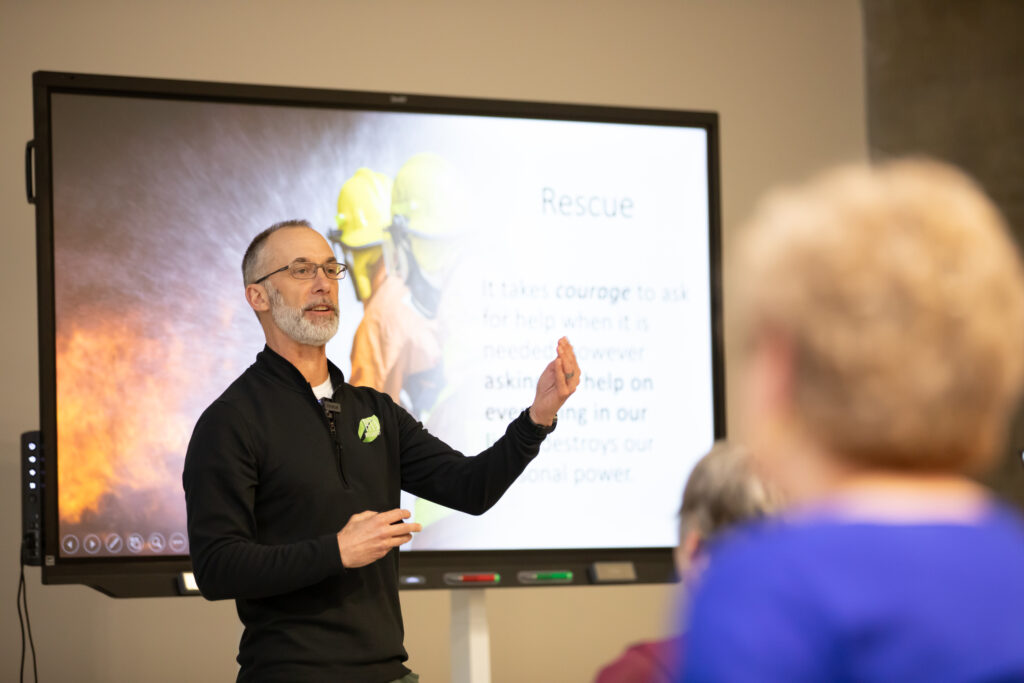
At a recent RTJ Wellness workshop, someone pulled me aside during the break and said something I’ve been hearing more and more often:
“I don’t feel stressed. But I don’t feel happy either.”
They weren’t overwhelmed.
They weren’t burned out.
They weren’t asking for time off or support.
On the surface, everything looked fine.
And that’s exactly the problem.
The most common form of workplace stress doesn’t always look like stress
When we think about stress at work, we tend to picture extremes:
- People on the edge of burnout
- Constant pressure and overload
- Emotional outbursts, absenteeism, or visible exhaustion
But in many organizations today, stress shows up in a quieter, harder-to-detect way.
People are still showing up.
They’re still doing their jobs.
They’re still meeting expectations.
They’re just… flat.
Not unhappy enough to complain.
Not energized enough to care.
This “in-between” state is becoming one of the most common and costly experiences in modern workplaces.
What’s actually happening beneath the surface
From a physiological and psychological perspective, this isn’t surprising.
Chronic, low-grade stress doesn’t always trigger the classic fight-or-flight response we associate with stress. Instead, it can lead to:
- Mental fatigue
- Emotional blunting
- Reduced motivation and curiosity
- A narrow focus on “just getting through the day”
In plain language:
The nervous system adapts but at a cost.
People aren’t overwhelmed. They’re under-engaged.
They stop feeling urgency, excitement, or purpose. Over time, this state erodes:
- Creativity
- Problem-solving
- Connection to work and coworkers
And eventually, performance.
Why leaders often miss it
Here’s the challenge for leaders and organizations:
This doesn’t trigger red flags.
There are no crisis conversations.
No obvious performance issues.
No HR interventions, yet.
From the outside, things appear stable.
But stability without engagement is not resilience.
It’s stagnation.
And left unaddressed, it often leads to:
- Quiet quitting
- Increased turnover
- Lower discretionary effort
- A slow decline in culture and morale
Why “more perks” won’t fix this
When organizations sense something is off, the response is often well-intentioned:
- More wellness resources
- More flexibility
- More benefits
Those things matter but they don’t address the root issue on their own.
This isn’t about adding more things.
It’s about helping people:
- Understand how stress actually works
- Recognize subtle warning signs in themselves
- Reconnect with meaning, agency, and purpose in small, practical ways
Without that understanding, even the best programs sit unused.
What effective workplace wellness actually looks like
In our work with organizations, we see the biggest shifts when wellness education:
- Is brain-based, not buzzword-based
- Normalizes conversations about stress without labeling people as “burned out”
- Gives people simple, usable tools, not long checklists
- Helps leaders recognize early signals not just late-stage problems
Most importantly, it reframes wellness from:
“Fixing broken people”
to:
“Supporting healthy systems before they break.”
The takeaway for leaders
If someone on your team said,
“I’m not stressed, but I’m not happy either,”
that’s not a complaint.
It’s a signal.
A signal that:
- Stress may be present, even if it’s invisible
- Engagement may be slipping quietly
- There’s an opportunity to intervene early, thoughtfully and effectively
Organizations that act at this stage don’t just prevent burnout.
They build cultures that are more resilient, focused, and human.
A final thought
This conversation is often where our workshops begin, not with crisis, but with awareness.
Helping teams understand why they feel the way they do, and what they can realistically do about it, changes how people show up, at work and at home.
And in today’s workplaces, that understanding may be one of the most valuable investments a leader can make.